
Crosman 760 Pumpmaster Manual: A Comprehensive Guide (Updated 04/28/2026)
This comprehensive manual, updated today (04/28/2026), provides a detailed roadmap for operating and maintaining your Crosman 760 Pumpmaster,
especially designed for beginners seeking confident usage.
The Crosman 760 Pumpmaster is a remarkably popular, multi-pump pneumatic air rifle celebrated for its affordability, versatility, and enduring design. This guide serves as an essential resource for both new and experienced users, offering a complete understanding of its operation and maintenance.
Often considered a gateway into the world of airgunning, the 760 is capable of delivering accurate shots with both ;177 caliber pellets and .177 caliber steel BBs. Its pump action allows users to adjust velocity, making it suitable for various shooting activities, from casual plinking to more focused target practice.
This manual will walk you through every aspect of the 760, ensuring safe and enjoyable operation. We’ll cover everything from basic functionality to detailed maintenance procedures, empowering you to maximize your shooting experience.
Historical Overview & Popularity
Introduced in the 1960s, the Crosman 760 Pumpmaster quickly became a staple in the American airgun market, renowned for its robust construction and accessible price point. It rapidly gained popularity as an ideal first air rifle for young shooters and adults alike.
Throughout the decades, the 760 has remained in continuous production, undergoing minor refinements but largely retaining its iconic design. Its enduring appeal stems from its simplicity, reliability, and the ability to adjust power output via the pump action.
The 760’s widespread adoption has fostered a large and active community of enthusiasts, contributing to its continued relevance and availability of aftermarket support and information.
Key Features and Specifications
The Crosman 760 Pumpmaster boasts several defining features, including its multi-pump pneumatic action, allowing variable velocity. It features a durable, all-steel construction, ensuring longevity and resilience. The rifle accepts both .177 caliber pellets and BBs, offering versatility.
Key specifications include: a barrel length of 19.375 inches, an overall length of 36.5 inches, and a weight of approximately 4.15 pounds. The rifle’s velocity varies with pump strokes, reaching up to 600 fps with pellets.

Its adjustable sights and comfortable synthetic stock contribute to ease of use and accuracy, making it a popular choice for plinking and small-game hunting.

Understanding the Components
This section details the Crosman 760’s internal and external parts, focusing on their functions and interactions for optimal performance and safe operation of the rifle.
Detailed Breakdown of Parts
The Crosman 760 Pumpmaster consists of several key components working in harmony. The barrel, responsible for pellet/BB trajectory, is crucial for accuracy. The pump action lever facilitates cocking and compression.
The receiver houses the internal mechanisms, including the valve assembly.
The stock and forearm provide a secure grip and aiming platform. The rear sight, often adjustable, aids in target acquisition. The bolt assembly manages pellet/BB loading and sealing.
Internal components like the O-rings and seals are vital for maintaining air pressure. Understanding each part’s role is essential for effective maintenance and troubleshooting.
Finally, the trigger mechanism initiates the firing sequence.
Safety Mechanisms Explained
The Crosman 760 Pumpmaster incorporates several safety features to prevent accidental discharge. A primary safety is the crossbolt safety located on the receiver, blocking the trigger.
This must be disengaged before each shot. The pump action itself acts as a secondary safety; the rifle cannot fire unless fully pumped and cocked.
It’s crucial to understand these mechanisms operate manually. There is no automatic safety.
Always treat every airgun as if it is loaded. Never point the rifle at anything you do not intend to shoot.
Regularly inspect the safety mechanisms for proper function. Proper usage and awareness are paramount for safe operation.
Ammunition Compatibility (Pellets & BBs)
The Crosman 760 Pumpmaster is designed for versatility, accepting both .177 caliber pellets and steel BBs. However, optimal performance is achieved with standard .177 pellets, specifically wadcutter or pointed varieties.
BBs are suitable for shorter-range plinking and target practice.
Avoid using oversized or deformed pellets, as these can cause jamming.
Never mix pellets and BBs in the magazine. Always load one type of ammunition at a time.
Using the correct ammunition ensures smooth operation and prevents damage to the rifle’s internal components. Experiment to find what works best for you!
Operating Instructions
Mastering the Crosman 760 Pumpmaster involves a simple three-step process: loading, pumping/cocking, and precise aiming before each shot for optimal results.
Loading the Crosman 760 Pumpmaster
Before embarking on your shooting session, safely load your Crosman 760 Pumpmaster. Begin by ensuring the rifle is pointed in a safe direction. Locate the breech opening, typically found at the rear of the barrel. Carefully insert either pellets or BBs – never mix ammunition types – into the breech.
For pellets, single-loading is standard; insert one pellet at a time. For BBs, utilize the speedloader tube provided, filling it with the desired quantity. Gently close the breech, ensuring it’s securely latched. Always double-check the breech closure before pumping. Improper loading can lead to malfunctions or reduced accuracy. Remember, responsible handling is paramount for a safe and enjoyable experience.
Pumping and Cocking Procedure
The pumping action is central to cocking the Crosman 760 Pumpmaster. Grip the forearm firmly and smoothly pull it rearward, extending it fully. This action compresses the spring, simultaneously cocking the rifle and preparing it for firing. You’ll feel resistance as the spring compresses – this is normal.
Return the forearm to its original position, sliding it forward. Do not pump excessively, as this won’t increase power and may stress the mechanism. Each pump cycle cocks the rifle for one shot. Repeat this process after each shot to maintain readiness. Ensure a complete pumping motion for optimal performance and safety.
Aiming and Shooting Techniques
Consistent aiming is key to accuracy with the Crosman 760 Pumpmaster. Assume a stable shooting stance, bracing yourself for minimal movement. Align the sights – front and rear – on your target. Focus on the target itself, not the sights. A smooth, controlled trigger pull is crucial; avoid jerking or anticipating the shot.
Follow through with your aim even after the pellet/BB has left the barrel. Practice proper breathing techniques, exhaling partially as you squeeze the trigger. Small adjustments in your aim can significantly impact accuracy. Experiment with different hold positions to find what works best for you.
Maintenance and Care
Regular cleaning and lubrication are vital for optimal Crosman 760 Pumpmaster performance and longevity. Proper storage also prevents damage and ensures reliable operation.
Cleaning Procedures – Internal & External
Maintaining a clean Crosman 760 Pumpmaster is crucial for consistent performance. Begin by ensuring the rifle is unloaded and safely pointed in a secure direction. For external cleaning, use a soft cloth dampened with mild soapy water to wipe down the stock and metal components, avoiding excessive moisture.
Internal cleaning requires more attention. Gently pump the rifle several times to expel any debris. Use a specialized cleaning rod with a felt pellet or a cleaning patch to swab the barrel, removing any residue. Avoid harsh solvents that could damage the internal mechanisms. A small amount of silicone oil can be applied to the piston and compression chamber for smooth operation. Always inspect for any signs of wear or damage during cleaning.
Lubrication Guidelines
Proper lubrication is vital for the smooth functioning and longevity of your Crosman 760 Pumpmaster. Avoid using petroleum-based lubricants, as they can attract dirt and grime, leading to malfunctions. Instead, opt for silicone oil or a specialized airgun lubricant.
Apply a light coat of lubricant to the piston shaft and the interior of the compression chamber after each cleaning. A small drop on the pump linkage points will also ensure smooth pumping action. Do not over-lubricate, as excess oil can attract debris. Wipe away any excess lubricant with a clean cloth. Regular, minimal lubrication is far more effective than infrequent, heavy applications.
Storage Recommendations
Proper storage significantly extends the life of your Crosman 760 Pumpmaster. Always store the airgun unloaded and in a safe, secure location inaccessible to children and unauthorized individuals. Avoid storing in areas with extreme temperatures or humidity, as these conditions can cause corrosion or damage to internal components.
A gun case or protective sleeve is highly recommended to prevent scratches and dust accumulation. Periodically check the airgun for any signs of rust or deterioration, even during storage. Before long-term storage, apply a light coat of silicone oil to metal parts for added protection. Regular inspection ensures continued reliability.

Troubleshooting Common Issues
This section details solutions for typical Crosman 760 Pumpmaster problems, including jamming, accuracy concerns, and misfires, ensuring continued, reliable performance for users.
Jamming and Clearing Procedures
Encountering a jam with your Crosman 760 Pumpmaster is a common occurrence, often stemming from pellet or BB obstructions within the chamber or barrel. Always prioritize safety: ensure the rifle is unloaded and pointed in a safe direction before attempting any clearing procedure.
Begin by firmly pumping the rifle several times to attempt dislodging the obstruction. If this fails, carefully open the breech and visually inspect for any lodged projectiles. Avoid using any tools that could damage the internal mechanisms. A cleaning rod, used gently, can sometimes assist in pushing out a stuck pellet or BB.
Persistent jams may require a more thorough inspection, but avoid forceful disassembly. Refer to the disassembly section of this manual only if comfortable and equipped with the proper tools. Regular cleaning, as outlined in the maintenance section, significantly reduces the likelihood of jamming.
Accuracy Problems & Solutions
Inconsistent accuracy with your Crosman 760 Pumpmaster often arises from several factors, rather than a single mechanical fault. First, verify proper pellet or BB selection; using the correct ammunition type is crucial; Ensure a consistent pumping technique – varying pump strokes impact velocity and, therefore, accuracy.
Check the barrel for any obstructions or debris that might deflect projectiles. Sight adjustments, detailed in the advanced techniques section, can compensate for minor deviations. Practice proper aiming techniques, focusing on a stable stance and controlled breathing.
If issues persist, inspect the breech seal for wear or damage, as this affects air compression. Regular cleaning and lubrication also contribute to consistent performance. Remember, the 760 is a multi-pump pneumatic, and inherent limitations exist.
Dealing with Pellet/BB Misfires
Misfires with your Crosman 760 Pumpmaster can be frustrating, but are often easily resolved. First, and most importantly, ensure the rifle is pointed in a safe direction. Attempt to pump the rifle again – this often dislodges a poorly seated pellet or BB.
If the misfire persists, carefully open the breech and inspect for obstructions. A damaged or deformed pellet can cause a blockage. Never use excessive force when clearing a misfire.
Check the breech seal for proper seating and condition. Ensure you are using compatible ammunition as specified in the manual. Consistent lubrication helps prevent sticking. If issues continue, consult the troubleshooting section or seek professional assistance.
Safety Precautions
Prioritize safety! Always adhere to essential rules, practice safe handling, and utilize proper eye and ear protection when operating your Crosman 760 Pumpmaster.
Essential Safety Rules
Treat every Crosman 760 Pumpmaster as if it were loaded. Never point the rifle at anything you do not intend to shoot, and always maintain control of the firearm. Keep your finger off the trigger until you are ready to fire, and be certain of your target and what is beyond it.
Always wear appropriate eye and ear protection to prevent injuries from pellets or loud noises. Never modify your Crosman 760; alterations can compromise safety. Store the rifle unloaded in a secure location, inaccessible to children or unauthorized individuals.
Regularly inspect the rifle for damage or wear, and discontinue use if any issues are found. Understand and follow all local laws and regulations regarding airgun ownership and use. Responsible airgun ownership is paramount for a safe and enjoyable experience.
Safe Handling Practices
Always handle the Crosman 760 Pumpmaster with respect and caution. Before loading, ensure the muzzle is pointed in a safe direction. When pumping, maintain a firm grip and avoid distractions. Never pump the rifle rapidly or forcefully, as this could lead to accidental discharge.
Be mindful of your surroundings and ensure a clear backstop is in place before shooting. Avoid shooting at hard surfaces or objects that could cause ricochet. When carrying the rifle, keep it pointed in a safe direction and the safety engaged.
Never disassemble the rifle while it is loaded. If transporting, use a case or bag to protect the rifle and prevent accidental operation. Practice safe handling consistently to develop good habits and minimize risks.
Proper Eye and Ear Protection
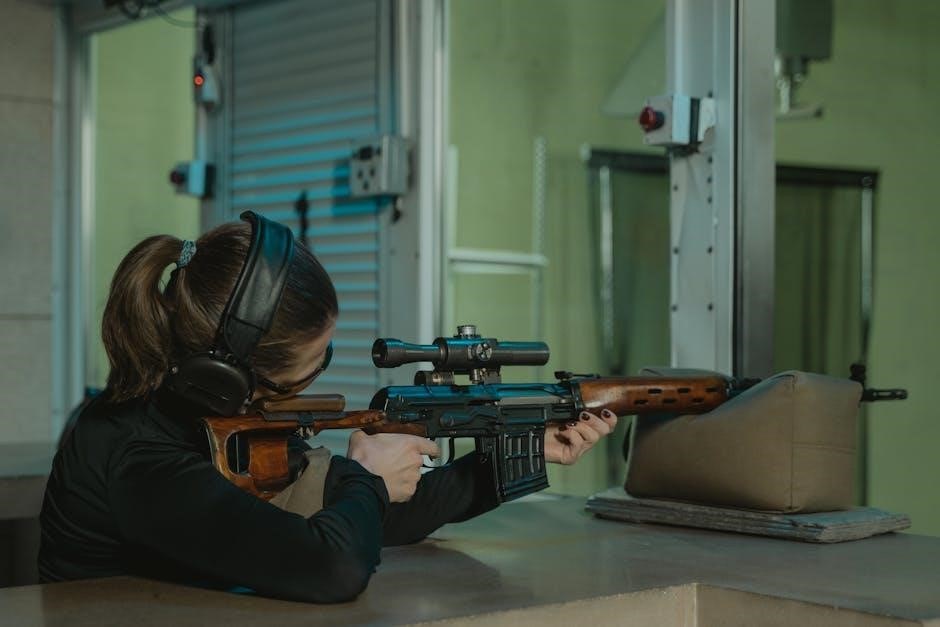
Protecting your eyes and ears is paramount when operating the Crosman 760 Pumpmaster. Always wear ANSI-approved safety glasses or goggles to shield your eyes from pellets or BBs, even during setup and loading. Impact-resistant eyewear is non-negotiable, preventing potential serious injury.
The pump action generates noticeable noise; therefore, ear protection is crucial. Use earplugs or earmuffs to reduce noise exposure and prevent potential hearing damage. Prolonged exposure, even to moderate noise levels, can be harmful.
Ensure a snug fit for both eye and ear protection to maximize effectiveness. Regularly inspect your safety gear for damage and replace it as needed. Prioritize your sensory health with consistent use of appropriate protective equipment.
Disassembly and Reassembly
This section details step-by-step instructions for safely disassembling and reassembling your Crosman 760 Pumpmaster for maintenance and repair purposes.
Step-by-Step Disassembly Guide
Before beginning, ensure the Crosman 760 is unloaded and safe. Begin by removing the stock screws located at the rear of the rifle. Gently separate the stock from the receiver. Next, carefully detach the barrel assembly by loosening the band securing it to the receiver.
Proceed to remove the pump assembly by releasing the retaining pin. The bolt assembly can then be carefully extracted after releasing the corresponding pin. Exercise caution as the spring tension can be significant. Finally, disassemble the valve assembly, noting the orientation of all components for proper reassembly. Document each step with photos for reference;
Reassembly Instructions
Begin by carefully reassembling the valve assembly, ensuring all components are correctly oriented as documented during disassembly. Next, insert the bolt assembly into the receiver, securing it with the retaining pin. Reattach the pump assembly, ensuring proper alignment and securing it with its retaining pin.
Carefully slide the barrel assembly back onto the receiver and tighten the retaining band. Finally, reattach the stock to the receiver, securing it with the stock screws. Double-check all screws and pins for tightness. Perform a function check to ensure smooth operation before loading and testing.
Tools Required for Maintenance
For basic maintenance of your Crosman 760 Pumpmaster, a few essential tools are recommended. A flathead screwdriver is crucial for disassembling the stock and various internal components. A Phillips head screwdriver is needed for certain screw types found within the mechanism. A small punch set will aid in removing and replacing pins during disassembly and reassembly.
Additionally, a pair of pliers can be helpful for gripping small parts. Silicone lubricant is essential for maintaining smooth operation. Eye protection is paramount during all maintenance procedures. A cleaning rod and patches are needed for barrel cleaning. Having these tools readily available ensures efficient and safe maintenance.

Advanced Techniques & Modifications (Limited)
While modifications are limited, sight adjustments can enhance accuracy. Exploring aftermarket parts requires caution and understanding of potential impacts on performance and safety.
Sight Adjustments
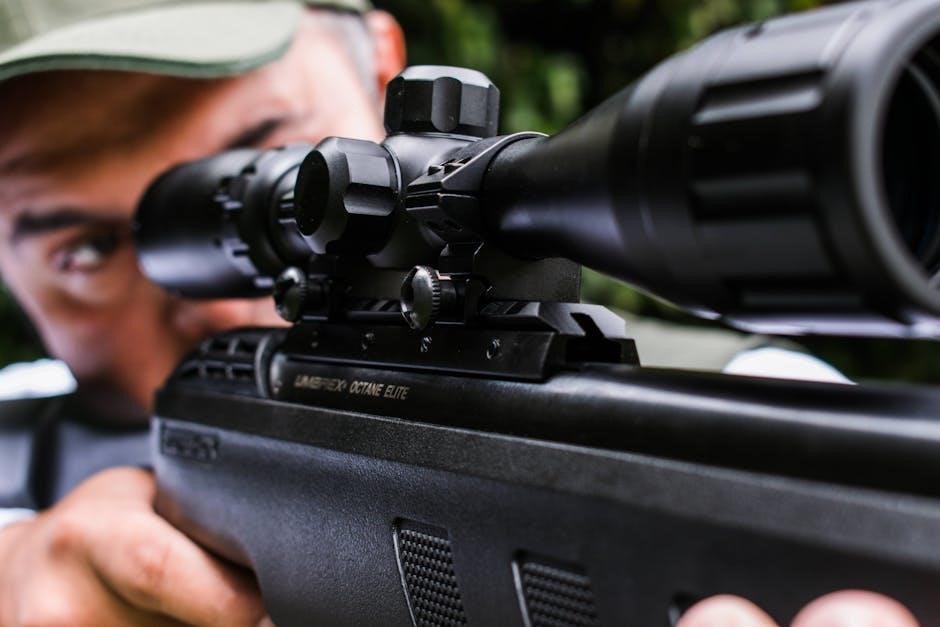
The Crosman 760 Pumpmaster features adjustable sights, crucial for achieving optimal accuracy at varying distances. Understanding how to manipulate these sights is a key advanced technique. Typically, the rear sight is adjustable for both windage (left/right) and elevation (up/down).
To adjust windage, use a small screwdriver to gently turn the windage screw, observing the sight picture on your target. Moving the screw left shifts the point of impact left, and vice versa. For elevation, a similar process applies, adjusting the elevation screw to raise or lower the point of impact.
Small adjustments are key; make incremental changes and test after each adjustment. Consistent grouping is the goal. Remember to always wear appropriate eye protection during sight adjustments and shooting practice. Proper sight alignment, combined with consistent shooting technique, will significantly improve your accuracy with the 760 Pumpmaster.
Aftermarket Parts (Brief Overview)
While the Crosman 760 Pumpmaster is functional in its original form, a limited aftermarket exists for enthusiasts seeking modifications. Common upgrades include enhanced trigger groups designed for a smoother pull and improved accuracy. Replacement stocks, often made from hardwood or synthetic materials, offer improved ergonomics and aesthetics.
Some users explore aftermarket springs to potentially increase velocity, though this can impact the rifle’s longevity. Custom barrels are less common but available from specialized airgunsmiths.
Caution is advised when installing aftermarket parts; improper installation can compromise safety and performance. Always research compatibility and follow manufacturer instructions carefully. Modifying your 760 may void any existing warranty. Prioritize safety and responsible modification practices.