
Welcome to the user manual for your newly delivered Dewalt 3400 Psi Pressure Washer. This comprehensive guide helps you start with the unit, outlines key safety steps, explains how to assemble, operate, and maintain the machine for best performance. Use this guide to maximize performance and longevity .

Safety Precautions
Before using the Dewalt 3400 Psi washer, read all warnings. Keep children and pets away. Use eye protection, gloves, and closed‑toe shoes. Ensure the unit is on a stable surface, and never point the spray at people, animals, or electrical outlets. Follow all local codes!!!!

Personal Protective Equipment
When operating the Dewalt 3400 Psi pressure washer, wear appropriate protective gear to safeguard against high‑velocity water jets, splashes, and potential debris. Eye protection such as safety goggles or a face shield is mandatory to prevent ocular injury from accidental spray or debris. Protective gloves made from durable, abrasion‑resistant material shield your hands from splashes, heat, and sharp edges. Closed‑toe, non‑slip footwear protects feet from accidental contact with the nozzle or falling objects. If you work in noisy environments, use hearing protection to reduce exposure to high‑decibel levels. Additional protective clothing, such as long sleeves and pants, can guard against splatter and accidental contact with hot surfaces. Always inspect gear for damage before use and replace any compromised equipment immediately. Following these precautions reduces the risk of injury and ensures safe, effective operation of the pressure washer. To maintain optimal performance, always ensure the water source is clean and free of debris that could clog the nozzle or damage internal components. If the nozzle becomes clogged, turn off the unit, disconnect the hose, and clean the nozzle with a brush or compressed air before reassembling. Regularly inspect the hose for cracks or wear; replace any damaged hose to prevent leaks and ensure safe operation. When the unit is not in use, store it in a dry, well‑ventilated area to prevent corrosion and maintain its longevity. Enjoy.
Operating Area Safety
Before using the Dewalt 3400 Psi pressure washer, establish a clear, well‑lit operating zone. Keep the area free of obstacles, loose objects, and wet surfaces that could cause slips. Ensure the ground is level and stable; use a non‑slip mat if necessary. Position the machine so that the spray path does not intersect with pedestrian traffic or nearby structures. Keep a safe distance—at least 6 ft from people, pets, and fragile items. Secure hoses to prevent tripping; use hose reels or clamps to manage excess length. Verify that the water supply line is free of kinks and that the pressure regulator is set to the manufacturer’s recommended level. Check that the nozzle is correctly attached and that the wand is in good condition. When working near electrical outlets or power lines, maintain a minimum clearance of 10 ft to avoid accidental contact. Use a dedicated, insulated extension cord rated for outdoor use if the unit’s power cord is insufficient. Keep the unit’s exhaust vent clear of obstructions to prevent overheating. Store the pressure washer in a dry, covered area when not in use to protect it from weather and debris. Follow these guidelines to maintain a safe environment and prevent accidents during operation. The unit’s high‑pressure output demands that operators maintain a clear line of sight and avoid pointing the nozzle at reflective surfaces, which can redirect the jet and cause unintended damage or injury. Additionally, operators should routinely inspect the nozzle for wear and replace it if erosion or clogging is observed, as a compromised nozzle can alter pressure distribution and compromise safety. Inspect hose joints for leaks to keep pressure! avoid! hazardous spills! now.

Parts and Components
The Dewalt 3400 Psi washer comprises a high‑pressure pump, a durable motor, a 3‑way valve, a 1.5‑inch inlet hose, a 1‑inch outlet, a 4‑inch nozzle, a wand, and a safety shut‑off. Each component is engineered for reliability and easy maintenance. All parts are per schematic.!!
Pump Assembly
The pump assembly is the heart of the Dewalt 3400 Psi pressure washer, delivering the high pressure needed for efficient cleaning. It consists of a stainless‑steel pump housing, a piston, a camshaft, and a series of seals that prevent leaks. To assemble, first align the piston rod with the camshaft slots, ensuring smooth rotation. Next, insert the piston into the housing, then secure the housing cap with the supplied torque wrench. Tighten the cap to the manufacturer’s specified torque of 35 ft‑lb to maintain seal integrity. After the cap is secured, attach the inlet hose to the inlet port, using a hose clamp to create a tight seal. Then connect the outlet hose to the outlet port, again using a clamp. Finally, attach the 4‑inch nozzle to the wand, ensuring the nozzle is correctly seated on the wand’s threaded end. Once all connections are secure, check for any leaks by running the unit at low pressure. If leaks are detected, tighten clamps or replace seals as necessary. The pump assembly should be inspected annually for wear, and any worn components should be replaced immediately to avoid pressure loss or damage to the motor. Before operating, apply a few drops of high‑quality synthetic oil to the piston bearings to ensure smooth operation. The pump’s design includes a built‑in pressure relief valve that activates at 3500 Psi to protect the system. If the relief valve opens during normal operation, check for blockages in the inlet filter or a clogged nozzle. The pump can be disassembled for cleaning by removing the housing cap and carefully extracting the piston. Use a soft brush to clean the interior, avoiding damage to the seals. After cleaning, reapply oil and reassemble. The pump’s service interval is every 500 hours of operation or when the pressure gauge drops below 3200 Psi. Replace the piston seal kit at that time. Proper pump maintenance extends the life of the washer and ensures consistent performance. The pump’s mounting bracket is designed for quick removal, allowing technicians to replace the entire assembly without tools. The bracket uses four M12 bolts, tightened to 70 Nm. The bracket also incorporates a vibration‑damping pad to reduce noise. When installing, align the bracket holes with the frame, secure with bolts, and tighten to specification. The pump’s electrical connector is a 12‑V DC plug; ensure the polarity is correct before connecting to the power supply. The washer’s power cable should be routed away from moving parts to prevent abrasion. The pump’s thermal sensor monitors temperature; if the temperature rises above 80 °C, the unit will automatically shut down to prevent overheating. Inspect the sensor and replace if faulty. Additionally, the pump’s design allows for a quick‑release lever that disengages the pump from the motor shaft, simplifying maintenance.
Nozzle and Wand
The nozzle and wand are essential components of the Dewalt 3400 Psi pressure washer, delivering high‑pressure water for efficient cleaning. The wand, made of reinforced aluminum, measures 4 ft in length and features a 1‑inch diameter for ergonomic reach. It includes a quick‑connect fitting that locks securely to the nozzle, preventing accidental detachment. The nozzle, a 1‑inch, 1‑way spray head, offers three adjustable pressure settings: narrow jet, medium spray, and wide spray; Users can rotate the nozzle cap counter‑clockwise to increase pressure or clockwise to decrease it, with a pressure range from 1200 Psi to 3400 Psi. The nozzle’s housing is corrosion‑resistant plastic with a textured grip surface, and it incorporates a built‑in pressure gauge for real‑time PSI monitoring. The wand’s handle is padded with rubber to reduce hand fatigue. The mounting bracket attaches to the washer frame using two M10 bolts tightened to 55 Nm. For maintenance, inspect the nozzle for clogging every 50 hours of use and clean with a low‑pressure rinse or by disassembling and brushing debris. Detach the wand by loosening the latch, rotating the nozzle cap, and pulling the wand away. This design ensures replacement and minimal downtime, while the built‑in safety latch locks the wand in place during operation. Proper inspection and cleaning extend the lifespan of both nozzle and wand .

Begin by securing the pump unit to the mounting bracket using the supplied M10 bolts tightened to 55 Nm. Attach the hose to the pump outlet, ensuring a snug fit. Connect the wand to the nozzle via the quick‑connect, then lock the latch. Verify all connections are tight before powering on. Enjoy safe use

Connecting the Pump
To connect the pump, first ensure the unit is positioned on a level surface and that all safety guards are in place. Unpack the pump assembly and locate the inlet and outlet ports. Attach the inlet hose to the water supply, tightening the clamp until no leaks appear. Next, connect the outlet hose to the pump’s discharge port, using the supplied hose clamp to secure it firmly. Verify that the hose is free of kinks and that the clamp is snug. Once the hoses are connected, attach the power cord to the pump’s electrical inlet, making sure the plug is fully seated. Inspect the cord for any visible damage before plugging it into a grounded outlet. Finally, check that the pump’s pressure relief valve is set to the manufacturer’s recommended setting. With all connections secure, the pump is ready for operation. Before powering on, double‑check all hose fittings for tightness, ensuring no water can escape during operation. Use a wrench to snug the inlet clamp to the recommended torque specification, typically 15 Nm for the Dewalt 3400 model. Verify that the outlet clamp is also tightened to prevent hose slippage. Inspect the power cord for any kinks or frayed insulation; replace if damaged. Finally, confirm that the pressure relief valve is calibrated to the factory setting of 3400 psi. Once satisfied, the pump is fully assembled and ready for use. All connections should be inspected again after the first run to ensure long‑term reliability. If any part feels loose, tighten it immediately. Check seals.!
Installing the Nozzle
Begin by selecting the appropriate nozzle for your cleaning task. Dewalt 3400 models typically include a 0.5‑inch wand with interchangeable spray tips ranging from a 0° high‑pressure jet to a 65° fan spray. First, detach the wand from the pump by loosening the quick‑connect collar with a wrench. Inspect the wand for cracks or wear; replace if necessary. Next, choose the desired spray tip and slide it onto the wand’s nozzle end. Secure the tip by tightening the locking ring until it clicks into place. Ensure the tip is aligned with the wand’s axis to prevent uneven spray. Once the tip is secured, re‑attach the wand to the pump’s outlet port. Align the quick‑connect pins and push firmly until the lock engages. Verify that the connection is snug by gently pulling on the wand; it should not budge. After securing the wand, inspect the hose for kinks or damage. The 1‑inch hose should be routed away from moving parts and secured with hose clamps every 12 inches. Tighten each clamp to the manufacturer’s torque specification, typically 15 Nm for the Dewalt 3400. Finally, perform a pressure test. Turn on the unit, allow it to reach operating pressure, and observe the spray pattern. Adjust the nozzle angle by rotating the tip if the pattern is too narrow or too wide. If the spray appears uneven, check for obstructions in the nozzle or hose. Proper nozzle installation ensures optimal pressure delivery and extends the life of the wand and tip. Follow! these steps to maintain safety! performance.
Operating Procedures
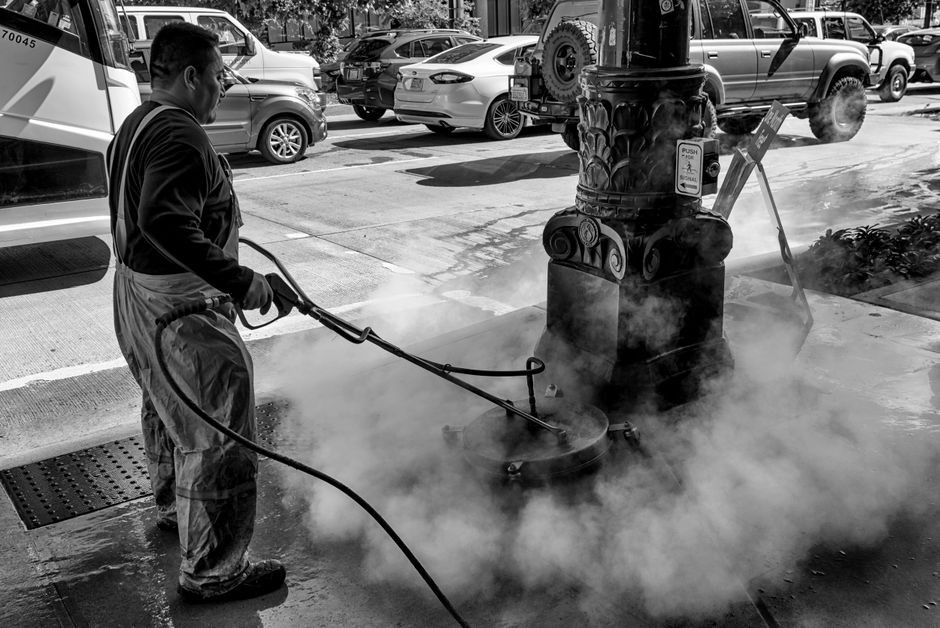
Before use, ensure the unit is on level surface and the hose is free of kinks Turn the power switch to ON Allow the pump to build pressure, then select the desired nozzle Adjust the spray angle and pressure setting as needed Operate the wand carefully steadily maintaining safe distance from surface.

Power On/Off
Before operating the Dewalt 3400 Psi pressure washer, verify that the unit is placed on a stable, level surface and that the water supply hose is securely connected to a clean water source. Ensure the power cord is free of damage and the outlet is properly grounded. Locate the main power switch on the rear panel; it should be labeled “ON/OFF.” With the unit in the “OFF” position, press the switch to the “ON” position. The motor will start, and the pump will begin drawing water. Allow the pump to build pressure until the gauge reads the desired PSI level. Once the pressure stabilizes, the washer is ready for use. When finished, return the switch to the “OFF” position, wait for the pump to depressurize, and then disconnect the water hose. Always keep the unit’s nozzle pointed away from people, animals, and electrical equipment during operation and shutdown. Follow the manufacturer’s recommended safety procedures, including wearing appropriate personal protective equipment such as safety glasses, gloves, and hearing protection. If the unit displays any abnormal noise or vibration, immediately turn off the power, inspect the pump and hose for damage, and contact authorized service personnel. When the unit is not in use, store it in a dry, well‑ventilated area, and cover it with a protective cover to prevent dust accumulation. By following these steps, you ensure safe, efficient, and reliable operation of the Dewalt 3400 Psi pressure washer. Additionally, before each use, inspect the hose for cracks or fraying, and replace it if necessary. Keep the nozzle and wand clean to avoid clogging. When turning off, allow the unit to cool for at least 30 minutes before handling or storing. Adhering to these guidelines will prolong the life of the machine and maintain optimal performance. Remember to consult the full user manual for detailed troubleshooting and warranty information; The Dewalt 3400 Psi pressure washer is designed for heavy‑duty cleaning tasks, and its robust construction allows for consistent performance even under prolonged use. To maintain optimal pressure output, regularly check the water inlet filter for clogs and clean it with a soft brush. If the pressure drops below the rated PSI, inspect the pump seal and replace it if worn. For best results, use the appropriate nozzle size for the surface being cleaned, as using a nozzle that is too narrow can overheat the pump, while a too‑wide nozzle may reduce cleaning effectiveness. Finally, always keep a fire extinguisher nearby in case of electrical or mechanical emergencies, and ensure that the area around the pressure washer is free of combustible materials;
Pressure Settings

Adjusting the Dewalt 3400 Psi pressure washer is simple yet critical for optimal cleaning and operator safety. Set the desired pressure by ensuring the machine is powered on and water supply active. Turn the dial clockwise to increase or counter‑clockwise to decrease pressure. The gauge displays real‑time PSI readings; aim for the range specified for the task—typically 1200–1800 Psi for siding, 2000–2500 Psi for paint, up to 3400 Psi for industrial surfaces. Over‑pressurizing damages delicate materials; under‑pressurizing leaves grime unremoved. For delicate surfaces, use a low‑pressure nozzle (e.g., 0.5 mm) with a higher PSI setting to maintain force without excess spray. Conversely, for rough surfaces, a larger nozzle (e.g., 2.5 mm) with a lower PSI setting prevents overspray and reduces wear on the pump quickly!!. The pressure regulator is calibrated for a 1.5‑gallon/minute flow rate at 3400 Psi; if you notice a drop in flow, check for clogged inlet filters or hose blockages. The washer also includes an automatic pressure‑sensing feature that will reduce PSI if the hose is kinked or if a sudden pressure drop occurs, preventing pump damage. Always verify the PSI setting before starting a job, and adjust as needed when changing surfaces or cleaning agents. When finished, return the dial to the lowest setting to avoid accidental high‑pressure discharge. Proper pressure management not only extends the life of the unit but also ensures safe, effective cleaning across a variety of applications.

Maintenance and Cleaning
Keep the unit clean by rinsing the nozzle and wand after each use, ensuring no debris blocks the spray. Flush the pump with fresh water before storage, and inspect hoses for cracks or wear. Replace any damaged parts promptly to maintain performance and safety. daily.!
Routine Maintenance
Perform routine maintenance to keep your Dewalt 3400 Psi pressure washer operating at peak efficiency and extend its lifespan. Before each use, inspect the power cord, ensuring it is free from cuts or fraying. Check the inlet filter for clogging; clean or replace it with a new filter as needed. Inspect the spray gun and wand for cracks or wear, and replace any damaged components promptly. Flush the pump with clean water after every wash session to remove grit and prevent internal wear. Verify the pressure gauge reads within the manufacturer’s specified range; if readings drift, consult the troubleshooting guide. Tighten all hose fittings and connections to prevent leaks. Store the unit in a dry, covered area to protect it from moisture and dust. Periodically apply a light coat of oil to the pump’s moving parts, following the manufacturer’s recommendations. Keep a log of maintenance activities, noting dates, observations, and any parts replaced. Adhering to this routine maintenance schedule will help maintain optimal performance, reduce the risk of breakdowns, and ensure safe operation throughout the life of the machine. Store the unit in a temperature-controlled environment to avoid extreme heat or cold. Inspect hoses for kinks or bulges and replace worn hoses immediately. Keep the nozzle clean by rinsing with fresh water after each use, and remove mineral deposits with a mild vinegar solution. Following these practices reduces maintenance costs and keeps performance reliable. This ensures longevity efficiency and
Cleaning Procedures
After each use, disconnect the power supply and allow the unit to cool. Rinse the spray gun, wand, and hose with fresh water to remove detergent residues. Detach the nozzle and soak it in a mild detergent solution for 10 minutes, then rinse thoroughly.
Inspect the inlet filter; if clogged, clean with a soft brush or replace. Flush the pump by running clean water through the inlet for 2 minutes. Use a soft cloth to wipe the exterior, avoiding abrasive materials that could scratch the finish.
Dry all components with a lint‑free towel before reassembly. Store the unit in a dry, covered area to prevent dust accumulation. Periodically check for leaks at hose connections and tighten as needed.
For stubborn mineral buildup, apply a vinegar solution to the nozzle and let sit for 15 minutes before rinsing. Keep a cleaning log to track intervals and any issues.
For extended cleaning, disassemble the wand and spray gun, cleaning each joint with a soft brush and mild detergent. Inspect the O‑rings for wear and replace if necessary. After cleaning, reapply a thin layer of silicone lubricant to the moving parts to reduce friction. Keep the unit’s service manual handy for reference to specific part numbers and torque specifications.
When storing the unit off‑season, cover the nozzle and filter with a breathable bag to prevent dust. Keep the power cord loosely to avoid kinks. Run a test cycle with clean water to ensure no blockages remain and that the pressure gauge reads accurately.