
Overview of Pathfinder Fillable PDF Character Sheets
Pathfinder fillable PDF character sheets streamline character creation, enabling instant data entry, auto‑calculations, and easy printing. They feature fields for stats, skills, equipment, and spells, and support digital sig. Users can download free templates or official versions from the publisher’s site .

What Is a Fillable PDF?

A fillable PDF is a portable document format file that contains interactive form fields. These fields can be typed into, selected from drop‑down menus, or ticked with check boxes, allowing users to input data directly within the document. The form controls are embedded in the PDF’s structure, so the file remains a single, self‑contained resource that can be opened, edited, and printed on any platform that supports PDF readers. In the context of role‑playing game character sheets, a fillable PDF lets players enter their character’s information once and have the document automatically calculate derived values such as modifiers, totals, or other computed fields. The fields can also be linked so that changing one value updates related fields, reducing manual calculation errors. Because the PDF is self‑sufficient, it can be shared via email, uploaded to cloud storage, or printed for in‑person use without requiring specialized software beyond a standard PDF viewer. Additionally, many fillable PDFs support electronic signatures, enabling players to sign the sheet digitally before printing or submitting it to a game master. The format’s ubiquity and compatibility make it a convenient choice for both casual and serious gamers who want a reliable, portable way to manage character data. Users can also customize the layout, add or remove fields, and export the completed sheet as a flattened PDF for archival purposes. The interactive nature of the document ensures that data remains consistent across devices, and many PDF readers allow bookmarking and navigation within the form. For collaborative play, the same file can be shared among multiple players, each filling in their own section without interfering with others’ data. Some modern PDF editors even support JavaScript, enabling advanced calculations or conditional visibility of fields based on user input. This flexibility makes fillable PDFs a powerful tool for both game masters and players seeking a streamlined, error‑free method to track character progression.
Digital Advantages for Players
Digital Pathfinder fillable PDFs give players instant, error‑free management of character data. The form fields auto‑calculate modifiers, saving throws, and skill ranks, so a single click updates every dependent value. Players can edit any section at any time, with the PDF’s built‑in “Save” function preserving progress across sessions and devices. Because the file is a single, portable document, it can be emailed, stored in cloud services, or printed from any computer, eliminating the need for separate spreadsheets or note‑taking apps. Many PDF readers support electronic signatures, letting players sign their sheets digitally before printing or submitting to a game master. The interactive layout also allows quick toggling of optional sections, such as class‑specific features or spell lists, making the sheet adaptable to different character builds. Additionally, the ability to embed hyperlinks to rule references or external resources keeps all relevant information in one place, reducing the time spent flipping between tabs or books. The PDF format’s wide compatibility ensures that even players on older operating systems can access the sheet without special software. Finally, the option to export the completed sheet as a flattened PDF guarantees a clean, printable version. Players can also layer the sheet to hide or show dice grids during play. The PDF’s support for JavaScript allows developers to add calculations or conditional logic, giving users the ability to tailor the sheet to niche systems or homebrew rules. All features are accessible on mobile and devices.
Community and Official Templates
Pathfinder fillable PDF character sheets are available in both official releases from Paizo and a vibrant community of creators. Official PDFs are distributed through the Paizo website and the Pathfinder Society portal, offering a polished, fully‑validated layout that matches the core rulebook’s design. Community templates, often shared on forums, Reddit, and dedicated fan sites, provide a variety of styles—from minimalist, printer‑friendly versions to richly illustrated sheets that include custom dice grids and optional character‑class overlays. Many community contributors use Adobe Acrobat’s form‑field tools to embed dynamic calculations for ability modifiers, skill ranks, and spell‑casting bonuses, ensuring that the sheet stays up‑to‑date as a character levels. These user‑generated PDFs can be downloaded as ZIP archives containing the form and a non‑fillable version for those who prefer a static printout. Because the community often updates templates to reflect new Pathfinder editions or errata, players can stay current without waiting for an official release. Additionally, some creators add JavaScript to automate complex rules, such as calculating the total damage of a multi‑attack or applying temporary bonuses from spells. The open nature of community templates encourages collaboration, allowing players to request custom fields or share improvements. Overall, the combination of official and community resources gives players flexibility, choice, and the ability to tailor the sheet to their preferred play style. Players may also flatten the PDF to prevent accidental edits, and many community members provide tutorials for using the sheet in free readers like SumatraPDF, ensuring accessibility across platforms. These resources keep the character sheet up to date!

Typical Use Cases in Campaigns
Fillable PDFs become indispensable during Pathfinder adventures. Before a session, a player can pre‑populate a character’s hit points, temporary buffs, and spell slots, then share the file with the DM via a cloud link, ensuring everyone sees the same numbers. In‑game, the sheet’s auto‑calculation of modifiers saves time; a rogue can instantly see the effect of a new skill rank on stealth checks, while a wizard checks spell‑casting bonus changes after a level‑up. When a party gathers around a table, the DM can print a flattened version for quick reference, while the digital copy remains editable for later edits. Campaigns that run online benefit from the ability to annotate directly on the PDF—players can highlight critical hit chances, mark initiative order, or note trap triggers. Some groups use the form fields to track shared resources, like a communal spell‑casting pool or a group‑wide temporary hit‑point pool, updating the sheet in real time. In long‑term campaigns, the PDF can serve as a logbook: each session’s key events, loot acquired, and narrative milestones are entered into dedicated text boxes, creating a searchable archive. Because the file is portable, a player can bring it to a convention or a friend’s house, and the DM can import the sheet into a virtual tabletop platform that supports PDF import, allowing seamless integration with digital maps and tokens. Overall, the versatility of fillable PDFs enhances both preparation and play, reducing administrative overhead and keeping the focus on storytelling. Players can export the sheet to CSV now!

Acquiring and Setting Up the Sheets
Download official PDFs from the Pathfinder Society site or community portals. Open with Adobe Acrobat Reader or Foxit. Click “Enable form fields” to activate editable boxes. Save the file after entering stats, then use “Save As” to keep a master copy. Share via cloud for DM review. Keep PDF locked for edits.!!.
Official Pathfinder PDF Sources
Paizo’s official Pathfinder Society website hosts a curated library of fillable PDF character sheets for both Pathfinder 1E and 2E. These PDFs are updated with each new core rulebook release and include auto‑calculation fields for ability modifiers, skill ranks, and combat statistics. Users can download the latest version directly from the “Resources” section, ensuring compatibility with the current edition’s mechanics. The PDFs are optimized for Adobe Acrobat Reader DC, which provides full form support, field locking, and the ability to add digital signatures. Paizo also offers a “PDFFiller” integration that allows players to edit, sign, and store character sheets in the cloud, streamlining the process of sharing updates with a game master. For players who prefer a more customizable approach, the official site provides a zip archive containing both form‑fillable and non‑fillable templates, along with a style guide that explains how to use layers to toggle background graphics for a cleaner printout. All official sheets are licensed under Paizo’s standard terms, allowing free use for personal play while prohibiting commercial redistribution. By sourcing from Paizo’s official portal, players guarantee that their character sheets remain fully compliant with the latest rule changes and maintain the integrity of the game’s data structure.
Official resources include the Paizo Vault and the Pathfinder Society’s character manager, which syncs with PDF sheets and updates character data now across devices.
Community-Contributed Download Links
Fans and hobbyists have built a vibrant ecosystem of free, community‑generated Pathfinder fillable PDFs. Sites such as Reddit’s r/pathfinder2e and PathfinderWiki host user‑created sheets that often incorporate custom macros, alternate class layouts, and streamlined spell lists. Many contributors also share zip archives on Dropbox or MediaFire, allowing instant download of both 1E and 2E templates. These community PDFs typically use the same field names as the official sheets, ensuring compatibility with standard PDF readers. Some creators add optional layers for background art or printable text, and many provide a “read‑only” version for quick printing. Because they are not officially licensed, users should verify that the sheets comply with the latest rule updates; some older community PDFs may lack recent changes to feats or spell‑casting mechanics. Nonetheless, the community offers a wide variety of styles—from minimalist, black‑and‑white designs to richly illustrated, color‑coded sheets—catering to every player’s aesthetic preference. When downloading, it’s wise to scan for malware and keep backups, as community files may not receive the same quality control as official releases.
Additionally, many community creators publish their sheets on Patreon or Fiverr, where they offer customizations such as character‑specific stat blocks or themed artwork. Some maintain GitHub repositories that allow users to clone the latest version and modify the PDF source with tools like PDFtk or LibreOffice Draw. These open‑source approaches empower advanced users to tweak field names, add new sections, or integrate with spreadsheet tools for automated stat calculations. For players who prefer a curated experience, the PathfinderWiki Community Resources page aggregates links to vetted community sheets, ensuring each download meets a minimum standard of quality and compatibility.

Compatibility with PDF Readers
When selecting a Pathfinder fillable PDF character sheet, the foremost technical consideration is the PDF reader’s ability to recognize and preserve form fields. Modern readers such as Adobe Acrobat Reader DC, Foxit Reader, and Nitro PDF support JavaScript and field calculations, enabling automatic ability modifiers, skill ranks, and hit‑point updates. Lightweight viewers like SumatraPDF or macOS Preview may render the form but often ignore embedded scripts, causing manual recalculation or loss of dynamic totals. For cross‑platform consistency, test the sheet on at least two major readers before sharing it with a group. A common troubleshooting step is to enable “Enable JavaScript” in the reader’s preferences; without this, calculations for attack bonuses or saving throws may not update. Some readers require the PDF to be flattened for printing, merging form fields into the page content. Flattening can be performed in Adobe Acrobat by selecting “Print as Image” or using the “Flatten” command in the “Print Production” panel. When flattening, ensure the final PDF still contains a printable version of the sheet, as community‑generated templates use layered form fields that disappear if layers are hidden. Always keep a backup of the original, editable PDF; many readers allow you to “Save As” a copy that preserves the form data, but the original file remains the safest source for future edits or re‑distribution. By verifying reader compatibility early, players can avoid frustrating interruptions during character creation or gameplay. Additionally, consider the PDF’s security settings. If the sheet is password‑protected or has editing restrictions, teammates may be unable to save progress. Disable “Restrict editing” and “Require a password to open” in the PDF security dialog before sharing. Some PDF readers enforce strict compliance with PDF/A or PDF/X standards for archival purposes; if a sheet is marked as PDF/A, form fields may become non‑interactive. For long‑term storage, keep both the interactive PDF and a flattened, PDF/A‑compliant copy. Test the sheet on mobile devices: Adobe Acrobat Reader for iOS and Android support form fields, but apps like Google PDF Viewer or Apple Books may not. By ensuring desktop, web, and mobile compatibility, you guarantee a smooth experience for every player, regardless of platform. All readers should be current
Initial Field Activation and Saving
When you first open a Pathfinder fillable PDF character sheet, the form fields are inactive until you click inside them. Some readers activate fields on load, but others need a click on the “Activate” button or a manual click on each field to edit. Once the fields are active, you can type your character’s name, race, class, ability scores, and equipment. It is crucial to save progress frequently, especially when web‑based readers may lose data on a crash. Use the “Save” or “Save As” command; naming the file with your character’s name and a date helps track builds. For cloud‑based PDF services, the document may autosave, but it’s still good to download a local copy. If you are using a mobile reader, tap the “Edit” icon before entering data. After completing a section, press “Tab” to move to the next field; this triggers embedded JavaScript that recalculates modifiers or total hit points. Some readers allow you to lock fields after you finish, preventing accidental edits. To lock, select the field, right‑click, and choose “Lock” or use the “Protect Document” feature. Remember that the PDF’s security settings can override your ability to lock fields; ensure the document is not set to “Read‑Only” or “No Editing.” Finally, close the PDF after saving; closing the window without saving can cause data loss if the reader does not prompt you. By mastering field activation and diligent saving, you ensure a smooth character creation process and preserve hard‑earned stats for future sessions. Remember to save often now; a crash can erase progress.
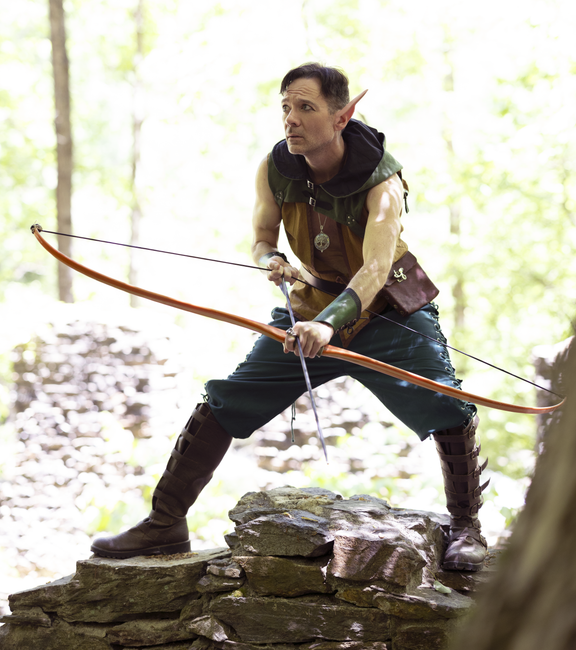
Essential Sections of the Sheet
The sheet’s core areas include Ability Scores and Modifiers, Skill Proficiencies, Attack and Defense entries, Spellcasting slots, Equipment lists, and Currency trackers. Each section uses interactive fields that auto‑calculate totals, saving time during play now.
Ability Scores, Modifiers, and Saving Throws
Ability scores form the backbone of a Pathfinder character, influencing combat, skill checks, and spellcasting. In a fillable PDF sheet, each score—Strength, Dexterity, Constitution, Intelligence, Wisdom, Charisma—has a dedicated field. The sheet automatically calculates the corresponding modifier by subtracting 10, dividing by 2, and rounding down. These modifiers are then applied to related saving throws: Fortitude, Reflex, and Will. Each saving throw field displays the base value plus the relevant modifier, and the sheet updates dynamically when scores change. Players can also input custom bonuses or penalties, such as class‑specific or racial modifiers, and the PDF will recalculate totals instantly. The design ensures that all related calculations remain accurate, reducing manual errors during gameplay. Because the sheet’s fields are linked, any change to a base score instantly propagates to all dependent values, eliminating the need for manual recalculation after each level gain or equipment change. The design also includes optional checkboxes for racial bonuses and class‑specific modifiers, allowing players to toggle these effects on or off. Additionally, the PDF supports custom notes, where users can jot down special conditions or temporary adjustments that affect saving throws. This level of automation not only speeds up character management during sessions but also reduces the likelihood of arithmetic mistakes that can otherwise disrupt gameplay balance. Players appreciate the instant feedback, which keeps sessions flowing smoothly.
Skills, Proficiencies, and Ranks
Skills are grouped into categories such as Acrobatics, Arcana, Diplomacy, and Stealth. The fillable sheet provides a checkbox for each skill to indicate proficiency, a numeric field for the rank, and an auto‑calculated bonus that adds the relevant ability modifier and any proficiency bonus. Players can toggle the proficiency box, and the sheet will instantly update the total skill bonus. Ranks are entered as whole numbers, with the sheet automatically multiplying the rank by the skill’s base modifier to produce the final value. The layout also includes optional sub‑fields for special bonuses, such as “Expertise” or “Class‑specific” bonuses, which can be checked to add an extra +2 or +3 to the skill total. A dedicated “Notes” section allows players to record situational modifiers, temporary buffs, or penalties that affect specific skills. The design ensures that all calculations are performed in real time, so when a character levels up or gains a new feat, the skill totals refresh without manual recalculation. This automation reduces errors and keeps gameplay smooth. Players can assign skill‑specific bonuses from feats or equipment, such as the “Skilled” feat (+2 to any skill) or the “Master Thief” trait (+3 to Stealth). Checkboxes let you toggle bonuses on or off, keeping the total skill bonus up to date. The PDF also logs skill‑check results, giving the GM a quick reference for rolls and tracking temporary buffs or penalties. Players can export the sheet to CSV, allowing comparison of skill levels across party.!
Attacks, Defense, and Armor Class
Attack entries are organized into separate rows for melee, ranged, and spell attacks. Each row contains fields for the attack name, weapon or spell, attack bonus, damage, and critical range. The sheet automatically calculates the attack bonus by adding the relevant ability modifier, proficiency bonus, and any weapon‑specific bonuses. Damage fields support complex formulas, allowing players to enter base damage dice, damage type, and modifiers such as Strength or Dexterity. Critical hit ranges can be customized, and the sheet highlights the critical multiplier next to the damage field.
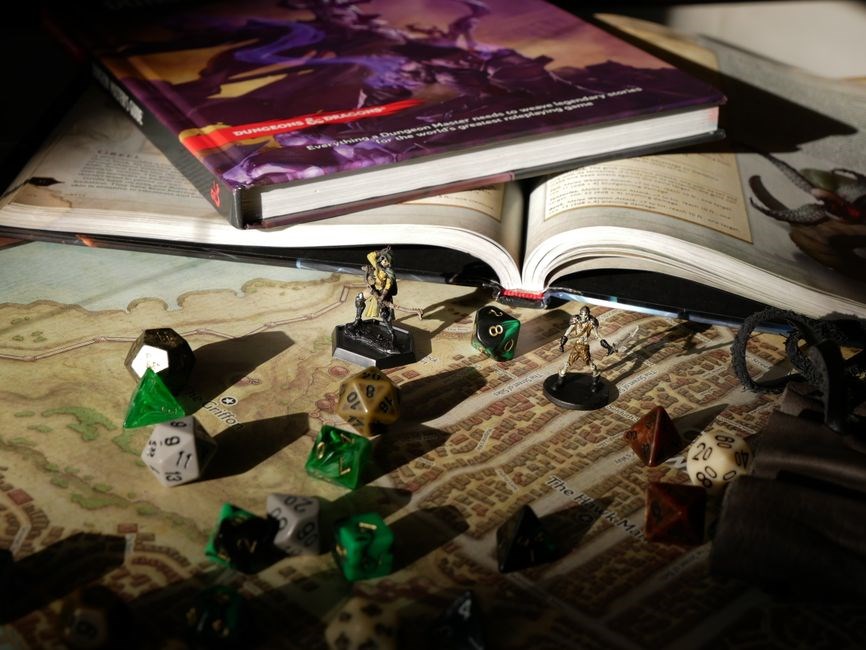
Defense information is consolidated in a dedicated section that displays the character’s Armor Class (AC), Reflex, Fortitude, and Will saves. The AC field is auto‑calculated from base AC, armor bonus, shield bonus, and any magical or class bonuses. Reflex, Fortitude, and Will saves are computed by adding the corresponding ability modifier, proficiency bonus, and any situational bonuses. Players can toggle “Unarmored” or “Shield” modifiers to instantly update the AC total;
The sheet also includes a “Defensive Actions” area where players can record special actions such as “Parry”, “Dodge”, or “Shield Block”. Each action has a checkbox and a numeric field for the bonus applied. When checked, the sheet adds the bonus to the relevant save or AC, providing a quick reference for combat encounters; All calculations are performed in real time, ensuring that any change to equipment, feats, or level updates the attack and defense values immediately. This dynamic interface reduces manual bookkeeping and keeps combat flow smooth.

Spells, Equipment, and Currency
Spell slots are grouped by level, with a checkbox to mark used slots. The sheet auto‑updates remaining slots when a spell is cast, and it highlights depleted levels in red for quick reference. The sheet supports both arcane and divine spellcasting, automatically applying the correct spellcasting ability modifier to attack and damage rolls.
Equipment is organized into “Inventory” and “Gear” sections. The “Inventory” table lists items by name, weight, and value, with a checkbox to mark carried or stored. The “Gear” section includes armor, weapons, and magical items, each with fields for bonuses and cost. The sheet calculates carried weight and compares it to the character’s capacity, flagging overload in orange. Currency is tracked in gold, silver, electrum, and copper, converting to a total value in gold pieces.
All fields support copy‑paste and editing, and the sheet offers a “Quick Add” button that opens a modal for new items or spells. The design follows Pathfinder layout, ensuring compatibility with game mechanics and ease of use during sessions!!
Players can track spell scrolls, cantrips, and rituals. The sheet lists scrolls with level, rarity, and cost, and rituals with required components. A legend highlights key rules like “Cantrip damage is always 1d6” and “Rituals do not consume slots.” This keeps the game moving smoothly. All data is saved automatically. Enjoy adventure!