
Scissor lift manuals are crucial documents detailing safe operation, maintenance, and troubleshooting for these versatile machines, ensuring worker safety and equipment longevity․
These guides, provided by manufacturers, offer essential insights into specific model functionalities and adherence to industry standards like OSHA and ANSI․
Purpose of a Scissor Lift Manual
The primary purpose of a scissor lift manual is to provide comprehensive instructions for the safe and effective operation of the equipment․ These manuals detail pre-operational inspection procedures, ensuring each lift begins its workday in a mechanically sound condition, minimizing potential hazards․
Furthermore, they outline proper operating procedures, including load capacity limits and restrictions related to weather conditions, directly addressing common causes of accidents․ A key function is clarifying adherence to vital safety regulations, such as those established by OSHA (standards 1910․29 & 1926․451) and ANSI (A92․3-2006 & MH-29-2020)․
Beyond operation, manuals guide users through routine maintenance tasks and offer troubleshooting advice for common malfunctions, extending the lift’s lifespan and reducing downtime․ Ultimately, the manual serves as a critical resource for preventing falls and ensuring a safe working environment․
Types of Scissor Lifts Covered
Scissor lift manuals cater to a diverse range of lift types, though coverage specifics vary by manufacturer․ Commonly addressed are standard scissor lifts, designed for indoor and outdoor use with varying platform heights and capacities․
Rough terrain scissor lifts, equipped with larger tires and robust suspension, are frequently detailed, alongside electric slab scissor lifts ideal for indoor environments requiring zero emissions․ Manuals also often cover hydraulic scissor lifts, explaining their fluid level checks and maintenance․
Some manuals extend to specialized models, including those with extended platforms or driveable scissor lifts․ BP U․S․ Pipelines and Logistics manuals specifically mention lifts with hinged boom sections․ It’s crucial to consult the manual specific to your model for accurate guidance․

Pre-Operation Checks & Inspections
Scissor lift manuals emphasize thorough pre-operation checks, including visual inspections of all components, fluid levels, and ensuring proper functionality before each use․
Daily Visual Inspection Checklist
Scissor lift manuals consistently highlight the importance of a daily visual inspection before operation․ This crucial step involves carefully examining the tires for proper inflation and damage, verifying the functionality of guardrails ensuring they are securely fastened, and inspecting the work platform for any cracks or defects․
Operators must also check for any visible leaks in the hydraulic system, assess the condition of all hoses and fittings, and confirm that all emergency stop buttons are readily accessible and functioning correctly․ A thorough inspection, as outlined in the manual, minimizes risks and ensures safe operation throughout the workday․
Fluid Level Checks (Hydraulic Oil, etc․)
Scissor lift manuals emphasize regular fluid level checks as vital for optimal performance and longevity․ Specifically, hydraulic oil levels must be inspected before each shift, ensuring they fall within the manufacturer’s recommended range․ Low fluid levels can compromise lifting capacity and lead to operational failures․
Additionally, manuals often detail checking other fluids like engine oil (if applicable) and coolant․ Proper fluid levels guarantee smooth operation, prevent overheating, and minimize wear and tear on critical components․ Referencing the manual’s diagrams and specifications is essential for accurate and safe fluid level maintenance․
Component Inspection (Tires, Guardrails, Platform)
Scissor lift manuals detail a thorough component inspection before each use, prioritizing safety and preventing malfunctions․ Tire inspection involves checking for proper inflation, cuts, and wear, ensuring stable operation․ Guardrails must be inspected for security, confirming they are firmly attached and undamaged, providing essential fall protection․
The work platform requires scrutiny for structural integrity, checking for cracks, deformation, or loose fasteners․ Manuals often include specific checklists for these components․ Addressing any deficiencies immediately is crucial, preventing potential hazards and maintaining operational reliability․

Safe Operating Procedures

Scissor lift manuals emphasize understanding load limits, proper platform positioning, and weather restrictions for safe operation, preventing accidents and ensuring stability․
Following these guidelines, alongside OSHA and ANSI standards, is vital for worker protection and efficient task completion․
Understanding Load Capacity Limits
Scissor lift manuals prominently display the maximum load capacity, a critical safety parameter that must be strictly adhered to․ Exceeding this limit compromises stability, increasing the risk of tipping or structural failure․
The manual details how to calculate the total weight, including operators, materials, and tools, ensuring it remains below the specified maximum․ It’s crucial to remember that exceeding the capacity doesn’t just involve weight; uneven weight distribution also impacts stability․
Operators should always verify the load before elevating the platform and avoid sudden movements or shocks while carrying a load․ Regularly consulting the manual reinforces awareness of these vital safety precautions, preventing potential hazards and ensuring a secure working environment․
Proper Platform Positioning
Scissor lift manuals emphasize the importance of maintaining a stable platform position during operation․ Operators must ensure the platform is level and fully supported before commencing work․ Avoid reaching or leaning over the guardrails, as this shifts the center of gravity and increases fall risk․
The manual details procedures for navigating around obstacles and positioning the lift for optimal access․ Never attempt to move the lift while personnel are on the platform unless it’s on a smooth, level surface․
Proper positioning also includes avoiding operation near power lines or other hazards, as outlined in the manual’s safety guidelines․ Consistent adherence to these instructions guarantees a secure and productive work environment․
Weather Condition Restrictions for Outdoor Use
Scissor lift manuals clearly state restrictions for operating lifts in adverse weather․ Only use the scissor lift outside when weather conditions allow, as specified in the operator’s manual, is a critical safety guideline․
Strong winds are a primary concern, potentially destabilizing the lift․ Rain and snow can create slippery surfaces, affecting traction and control․ Avoid operation during thunderstorms due to the risk of lightning strikes․
The manual will detail wind speed limits and other environmental factors that necessitate halting operations․ Prioritizing safety by adhering to these restrictions prevents accidents and ensures operator well-being․

Scissor Lift Safety Rules & Regulations
Scissor lift manuals emphasize adherence to OSHA (1910․29 & 1926․451) and ANSI (A92․3-2006 & MH-29-2020) standards for safe operation and training․
OSHA Standards (1910․29 & 1926․451)
OSHA’s standards 1910․29 (General Industry) and 1926․451 (Construction) are paramount for scissor lift safety, as detailed within the operator’s manual․ These regulations mandate comprehensive employee training, covering hazard recognition, safe operating procedures, and proper equipment inspection․
The manual will outline OSHA’s requirements for fall protection, emphasizing the use of guardrails or, when necessary, personal fall arrest systems․ OSHA 1910․29(b) specifically addresses training program content, ensuring operators understand the scissor lift’s capabilities and limitations․ Regular inspections, as described in the manual, are crucial for compliance, identifying potential defects before they lead to accidents․
Furthermore, the manual will reference OSHA’s guidelines on proper platform positioning, load capacity, and environmental restrictions, all vital for maintaining a safe work environment․
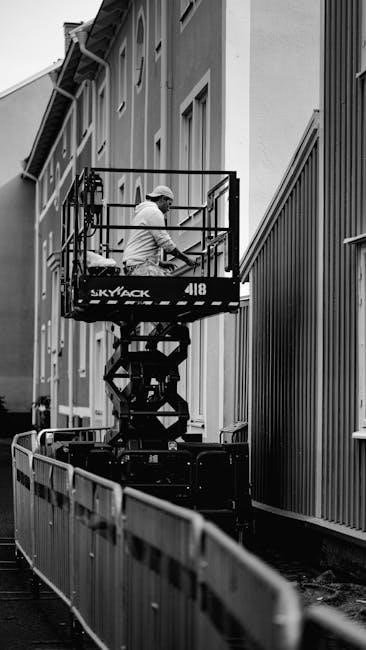
ANSI Standards (A92․3-2006 & MH-29-2020)
ANSI standards A92․3-2006 and the more recent MH-29-2020 provide detailed design, construction, and performance criteria for scissor lifts, often referenced within the manual․ These standards focus on ensuring structural integrity, stability, and safe operation of the equipment․
The manual will highlight ANSI’s requirements for platform dimensions, guardrail height, and braking systems, all designed to minimize the risk of falls and collisions․ ANSI also dictates specific labeling requirements, ensuring critical safety information is readily visible to operators․
Adherence to ANSI standards, as outlined in the manual, is crucial for manufacturers and operators alike, promoting a consistent level of safety across the industry and supporting responsible equipment use․
Fall Protection: Guardrails vs․ Harnesses (OSHA 2005 Memo)
Scissor lift manuals often reference a crucial OSHA memo from 2005 regarding fall protection․ This memo clarifies that, when equipped with properly maintained guardrail systems, a personal fall arrest system (harness) isn’t always required on scissor lifts․
The manual will emphasize that guardrails must meet specific height and strength requirements to be considered adequate fall protection․ Operators should verify the integrity of the guardrails before each use, as detailed in the pre-operation checklist;
However, the manual will also state that harnesses may still be necessary in certain situations, such as when working near edges or performing tasks outside the platform’s guardrails, always adhering to OSHA guidelines․

Training & Certification Requirements
Scissor lift manuals highlight the necessity of comprehensive operator training programs and certifications, adhering to OSHA standards like 1910․29, for safe operation․
Certification validity and renewal schedules are also detailed within the manual, ensuring continued competency․
Operator Training Programs
Scissor lift manuals consistently emphasize the critical role of robust operator training programs․ These programs, designed to meet OSHA requirements, must cover pre-operation inspections, safe operating procedures, hazard recognition, and emergency protocols․
Effective training includes both theoretical instruction and hands-on practice, allowing operators to demonstrate proficiency in all aspects of lift operation․ Manuals often specify the topics that must be included in a compliant training curriculum․
Furthermore, training should address load capacity limits, proper platform positioning, and restrictions related to weather conditions; Refresher courses and evaluations are also recommended to maintain operator competency and ensure ongoing adherence to safety guidelines, as outlined in the manual’s safety section․
Certification Validity & Renewal
Scissor lift manuals don’t typically dictate specific certification validity periods, but they underscore the importance of maintaining current operator qualifications․ OSHA standards, referenced within manuals, require documented training, and certifications often have expiration dates․
Renewal processes usually involve refresher training and re-evaluation of operator skills, ensuring continued competence in safe lift operation․ Operators must demonstrate understanding of updated safety regulations and best practices․
Manufacturers may offer supplemental training materials or recommend specific certification programs․ Regularly reviewing the manual and participating in renewal courses are vital for upholding safety standards and preventing accidents, as highlighted in the manual’s safety section․

Emergency Procedures
Scissor lift manuals detail critical steps for power failure scenarios, including manual lowering techniques, and emphasize the immediate use of the emergency stop button․
Prompt accident and malfunction reporting, as outlined in the manual, is essential for maintaining safety and preventing future incidents․
Lowering the Lift in a Power Failure
Scissor lift manuals provide detailed instructions for safely lowering the platform when encountering a power outage․ Typically, this involves locating and operating the manual descent control valve, often a hand pump or lever system․
Operators must carefully follow the manual’s specific guidance for their model, as procedures can vary significantly between manufacturers․ The manual will illustrate the valve’s location and the correct pumping or lever action required to gradually lower the lift․
It’s crucial to perform this operation slowly and steadily, maintaining control throughout the descent․ The manual may also advise against rapid descent, which could create instability․ Always ensure the area below the lift is clear of personnel and obstructions before initiating the lowering process during a power failure․
Emergency Stop Button Location & Use
Scissor lift manuals prominently feature the location of the emergency stop button – a critical safety feature designed for immediate halt of all lift operations․ Typically, these buttons are large, red, and easily accessible from the platform, often on multiple sides․
The manual will clearly illustrate the button’s position and explain its function: pressing it instantly cuts power to the lift’s functions, stopping movement․
Operators should familiarize themselves with the button’s location before commencing work․ It’s intended for use in unforeseen circumstances, such as unexpected hazards or loss of control․ After activation, the manual details the procedure for resetting the system and resuming operation, often requiring a key or specific sequence․
Reporting Accidents & Malfunctions
Scissor lift manuals emphasize the importance of promptly reporting all accidents and equipment malfunctions, regardless of severity․ Detailed reporting procedures are outlined, including who to contact within the organization – typically a supervisor, safety officer, or maintenance department․
The manual will specify the information required in a report: date, time, location, description of the incident, any injuries sustained, and equipment details․
Accurate and timely reporting is crucial for investigating incidents, preventing recurrence, and maintaining a safe working environment․ Failure to report can lead to further hazards and potential liability․ The manual may also reference relevant OSHA reporting requirements․

Maintenance & Troubleshooting
Scissor lift manuals detail scheduled maintenance tasks – fluid checks, inspections – and offer troubleshooting guidance for common issues, ensuring optimal performance and safety․
Scheduled Maintenance Tasks
Scissor lift manuals meticulously outline a schedule of preventative maintenance tasks vital for sustained operational reliability and safety․ These tasks commonly include regular fluid level checks – specifically hydraulic oil – to ensure smooth and efficient lifting mechanisms․
Thorough inspections of all components are also crucial, encompassing tires for wear and pressure, guardrails for structural integrity, and the platform for any damage or deformation․ Lubrication of moving parts, as detailed in the manual, minimizes friction and extends component lifespan․
Battery maintenance, if applicable, is another key aspect, alongside visual inspections for leaks, corrosion, and loose connections․ Adhering to the manufacturer’s recommended maintenance intervals, as specified in the manual, is paramount for preventing unexpected breakdowns and ensuring continued safe operation․
Common Troubleshooting Issues
Scissor lift manuals dedicate sections to diagnosing and resolving frequent operational problems․ Hydraulic system failures, manifesting as slow or jerky movements, are common, often linked to low fluid levels or leaks requiring immediate attention․ Electrical issues, such as unresponsive controls or blown fuses, necessitate careful inspection of wiring and components․
Platform instability can stem from uneven ground or damaged leveling jacks, demanding correction before operation․ Unusual noises during lifting or lowering may indicate worn bearings or malfunctioning pumps․ The manual guides users through systematic checks, identifying potential causes and offering step-by-step solutions, prioritizing safety throughout the troubleshooting process․

Specific Model Considerations
Scissor lift manuals vary significantly by manufacturer, detailing unique features, maintenance schedules, and safety protocols for each specific model and its capabilities․
Variations in Manuals by Manufacturer
Scissor lift manuals aren’t standardized; each manufacturer presents information uniquely․ JLG, Genie, SkyTrak, and others detail specific operational procedures, maintenance requirements, and troubleshooting steps tailored to their designs․
These variations stem from differing hydraulic systems, platform designs, control panel layouts, and safety features․ Some manuals emphasize detailed component diagrams, while others prioritize step-by-step instructions․
Understanding these differences is vital; operators shouldn’t assume familiarity with one brand translates to another․ Always consult the specific manual for the lift being used․ Ignoring this can lead to improper operation, maintenance errors, and potentially dangerous situations․ Accessing the correct manual is paramount for safe and efficient operation․
Accessing Online Manuals & Resources
Scissor lift manuals are increasingly available online, offering convenient access for operators and technicians․ Manufacturer websites – like JLG and Genie – typically host digital versions, searchable by model number․
Several third-party platforms also archive manuals, though verifying authenticity is crucial․ Online forums and industry-specific websites can provide links and discussions regarding manual access․
Remember to download and save manuals for offline use, especially on job sites with limited connectivity․ Utilizing online resources alongside physical copies ensures readily available information for safe operation, maintenance, and troubleshooting․ Always prioritize official manufacturer sources for accuracy․