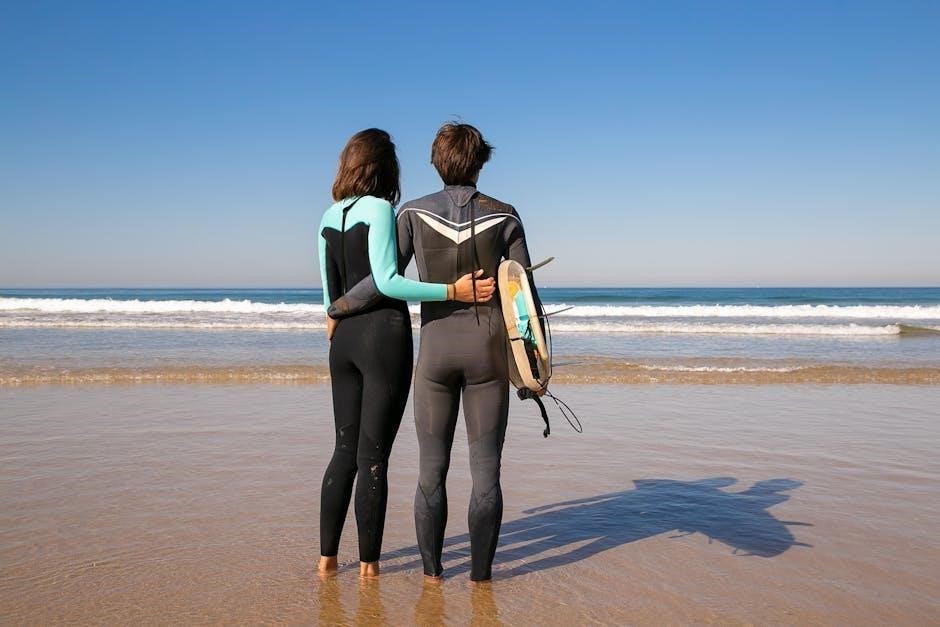
Billabong Wetsuit Size Guide: A Comprehensive Overview (Updated 02/01/2026)
Navigating Billabong wetsuit sizing requires careful attention, as suits often run smaller than standard clothing sizes; prioritize checking official charts․
Confirming measurements against brand-specific guides is crucial for optimal warmth, flexibility, and comfort during water activities, ensuring a perfect fit․
Understanding the Importance of Proper Wetsuit Fit
Achieving a proper wetsuit fit is paramount for maximizing performance and enjoyment in the water․ A poorly fitted wetsuit can lead to a multitude of issues, significantly detracting from your experience․ Crucially, too much space allows water to flush into the suit, reducing its thermal protection and creating a chilling effect․ Conversely, a suit that’s too tight restricts movement, causing discomfort and potentially leading to chafing or rashes․
Billabong wetsuits, like those from other brands, are designed to create a snug, almost second-skin fit․ This close contact is essential for trapping a thin layer of water between your skin and the neoprene, which your body then warms, providing insulation․ Prioritizing the fit in key areas – shoulders and chest – is vital for range of motion and preventing uncomfortable rubbing․ Remember, online size charts are helpful, but individual body shapes vary, making a precise fit challenging to guarantee without trying on the suit․
Ultimately, a well-fitted wetsuit enhances comfort, flexibility, and warmth, allowing you to focus on your activity without distraction․ It’s an investment in your enjoyment and safety in the water․
General Wetsuit Sizing Considerations

Wetsuit sizing isn’t directly equivalent to standard clothing sizes; it’s a unique system influenced by body shape and the suit’s intended use․ Generally, manufacturers aim for a snug fit, recognizing that neoprene will stretch slightly with use․ However, erring on the side of slightly too small is often preferable to a suit that’s too loose, as excessive space allows for water flushing, diminishing warmth․
Height and chest measurements are the primary determinants of wetsuit size, with weight serving as a secondary indicator․ Different brands, including Billabong, often cater to varying body types, meaning a size that fits well in one brand might not in another․ Therefore, always consult the specific size chart for the brand you’re considering․
Consider your build – broader shoulders or a narrower waist can necessitate adjustments․ Prioritizing a good fit in the chest and shoulders is often recommended, even if it means a slightly looser fit around the waist, as these areas are crucial for movement and preventing chafing․
Billabong Specific Sizing: Key Differences
Billabong wetsuits, like those of other brands, often deviate from typical clothing sizes, frequently running smaller, particularly for individuals with broader builds․ It’s common to find yourself needing a larger size in a Billabong wetsuit compared to your usual apparel size – sometimes even two sizes up, especially in the XXL range․
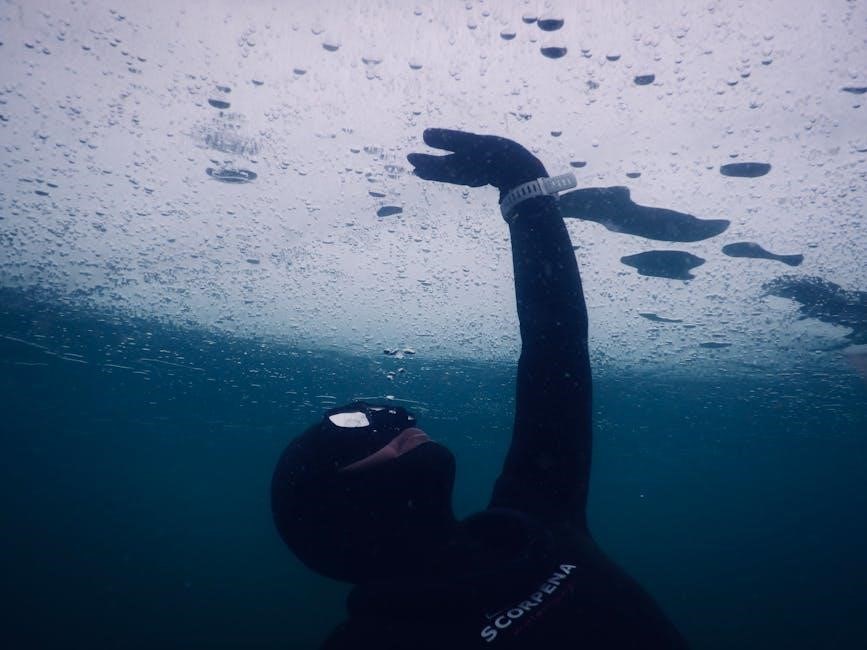
A key difference lies in Billabong’s focus on catering to the average surfer physique, which tends to be leaner than the general population․ This means their sizing charts are based on a smaller frame, potentially leading to a tighter fit for those with more muscle mass or a larger chest․ Therefore, meticulous measurement is paramount․
Furthermore, Billabong’s various wetsuit styles – chest zip, back zip, and seamless – can also influence the fit․ Chest zip suits generally offer a more snug and streamlined fit, while back zip suits may provide slightly more room․ Always refer to the specific size chart for the style of Billabong wetsuit you’re interested in․
Measuring Yourself for a Billabong Wetsuit
Accurate self-measurement is the cornerstone of finding the right Billabong wetsuit fit․ Begin with height, standing straight against a wall, and have someone mark the top of your head․ Next, measure your chest at the fullest part, keeping the tape measure level and under your armpits․
Simultaneously, measure your waist at the natural waistline – typically the narrowest part of your torso․ Don’t pull the tape too tight; ensure it’s snug but comfortable․ While weight can be a secondary indicator, it’s less reliable than precise height, chest, and waist measurements․
Crucially, have a friend assist you for accuracy․ Measurements should be taken while wearing minimal clothing․ Remember, a slightly snug fit is preferable, as wetsuits stretch with use․ Prioritize chest and shoulder fit, as these areas are harder to adjust post-purchase․ Record all measurements carefully before consulting the Billabong size chart․
Height Measurement
Accurate height measurement is the initial step in determining your Billabong wetsuit size․ Stand straight with your back against a flat, vertical surface – a wall works best․ Ensure your feet are flat on the floor and not elevated․ Ideally, have a friend assist you for the most precise reading․
Using a tape measure or ruler, measure from the top of your head, down to the soles of your feet․ Maintain a straight posture throughout the process; slouching will result in an inaccurate measurement․ Record your height in either inches or centimeters, depending on the Billabong size chart’s specifications․
Remember, height is a primary factor in wetsuit sizing, but it shouldn’t be the sole determinant․ Combine your height measurement with chest and waist measurements for a more comprehensive assessment․ Consider that variations in body proportions can influence the best fit․
Chest Measurement
Obtaining an accurate chest measurement is vital, as this dimension significantly impacts wetsuit fit and range of motion․ Wear a snug-fitting shirt while measuring – avoid bulky clothing․ Stand naturally with your arms relaxed at your sides․
Wrap a flexible tape measure around the fullest part of your chest, typically across the nipples․ Ensure the tape measure is level and doesn’t constrict your breathing․ Record the measurement in inches or centimeters, aligning with the Billabong size chart’s units․
Crucially, prioritize a comfortable yet snug fit in the chest and shoulder area․ A too-tight wetsuit will restrict movement, while a too-loose one can allow water flushing․ Remember, individuals with broader shoulders may need to size up, even if their height and weight suggest a smaller size․
Waist Measurement
Accurately measuring your waist is essential, though often secondary to chest and shoulder fit, especially for those with varied body shapes․ Locate your natural waistline – typically the narrowest part of your torso, above your belly button․
Stand relaxed and exhale normally․ Wrap a flexible tape measure around your waist, ensuring it’s snug but not constricting․ Maintain a level tape measure for an accurate reading․ Record the measurement in inches or centimeters, matching the Billabong chart’s units․
A slightly looser waist fit is generally preferable to a tight one, as it minimizes restriction and potential flushing․ However, excessive looseness compromises warmth․ Prioritize chest and shoulder fit, accepting minor waist adjustments if necessary, as a good shoulder fit is crucial for range of motion․
Weight as a Secondary Indicator
While weight is listed on many wetsuit size charts, it should be considered a secondary indicator, particularly given variations in body composition and build․ Relying solely on weight can lead to inaccurate sizing, as muscle mass versus body fat significantly impacts fit․
Use weight as a general guideline, especially if your height and chest measurements fall between sizes․ However, always prioritize height and chest measurements for a more precise fit․ Individuals with broader shoulders or a narrower waist may find weight-based sizing misleading․
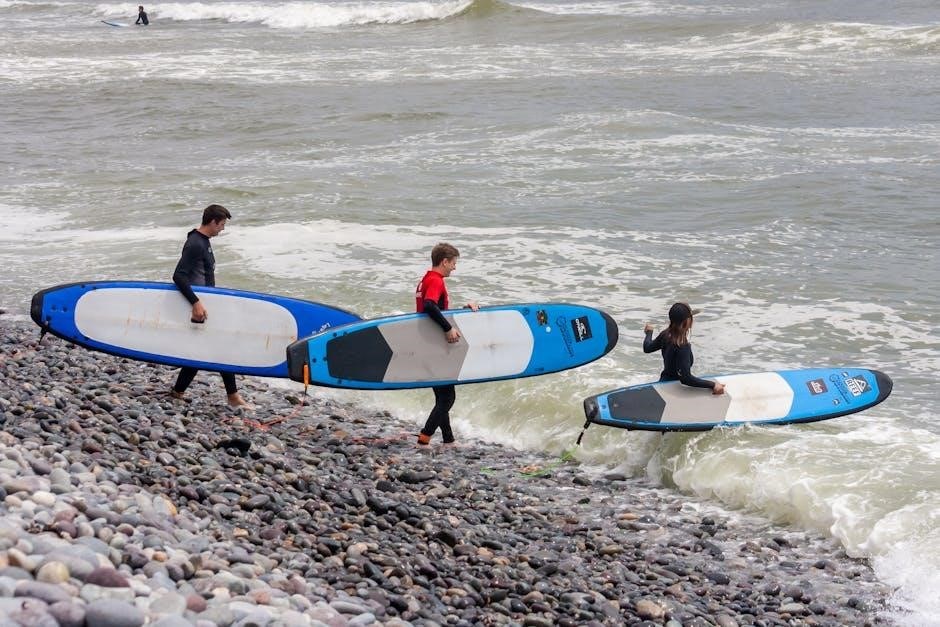
Remember that wetsuits stretch with use, so erring slightly on the smaller side is often recommended, but only if it doesn’t compromise chest or shoulder comfort․ Ultimately, a well-fitted wetsuit prioritizes range of motion and prevents uncomfortable rubbing, making precise measurements key․
Billabong Wetsuit Size Charts: Decoding the Data
Billabong, like other wetsuit brands, provides specific size charts for men, women, and youth, crucial for accurate selection․ These charts typically list sizes based on height, weight, chest, and waist measurements – however, remember weight is a secondary factor․
Carefully compare your measurements to the chart, noting where you fall within the ranges․ If your measurements span multiple sizes, prioritize the larger size, especially if you’re between height and chest measurements․ Always consult the most current chart, as sizing can evolve․
Understanding that wetsuits stretch with use is vital; a snug fit is preferable to a loose one․ Check Billabong’s official website for the latest charts, and be aware that different wetsuit styles within the brand may have slight variations in fit․
Men’s Billabong Wetsuit Size Chart
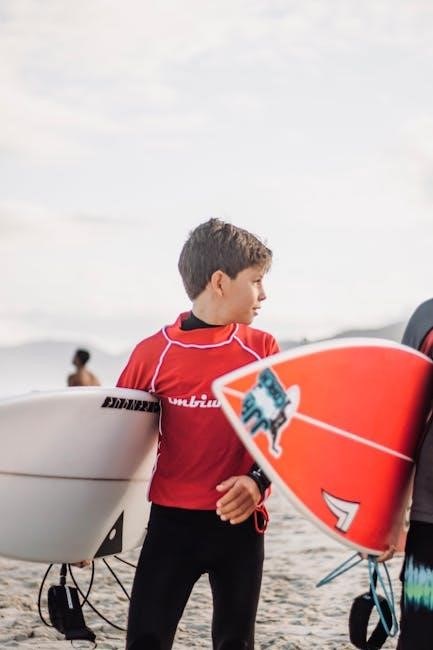
Billabong’s men’s size chart generally correlates height with chest and weight measurements, offering a range for each size․ For example, a size ‘M’ might accommodate men between 5’8” and 5’10”, with a chest circumference of 38-40 inches and a weight between 160-180 lbs․
However, broad-shouldered individuals or those with a narrower waist may need to adjust sizing․ Prioritize chest and shoulder fit, as a restrictive fit here impacts movement and can cause discomfort․ If you fall between sizes, opting for the larger size is often advisable, allowing for stretch and a more comfortable fit․
Remember to measure accurately and consult the latest chart on Billabong’s website, as variations can occur between wetsuit styles․ Don’t solely rely on weight; chest measurement is the most critical factor for a proper fit․
Women’s Billabong Wetsuit Size Chart
Billabong’s women’s wetsuit sizing considers height, bust, and weight, offering a more contoured fit than men’s suits․ A size ‘8’, for instance, might suit individuals between 5’4” and 5’6”, with a bust measurement of 34-36 inches and a weight range of 130-150 lbs․
Women with larger busts may find they need to size up to ensure adequate coverage and comfort․ Similar to men’s sizing, prioritizing the bust and shoulder fit is crucial for unrestricted movement․ A slightly looser waist can be tolerated, as excessive tightness restricts breathing and can lead to flushing․
Always refer to the official Billabong size chart for the specific wetsuit style you’re considering, as cuts and materials can vary․ Accurate measurements are key, and remember that wetsuits will stretch slightly with use․
Youth Billabong Wetsuit Size Chart
Billabong’s youth wetsuit sizing is based on age and height, recognizing the rapid growth of young surfers․ Generally, sizes range from 8 to 16, correlating with specific height brackets – for example, a size 12 might fit a child between 5’0” and 5’3”․
Weight is a secondary consideration, but crucial for ensuring a snug, yet comfortable fit․ Unlike adult sizing, bust and waist measurements are less emphasized in youth charts, focusing primarily on overall body dimensions․ Prioritize a fit that allows for full range of motion, essential for learning and progression․
It’s advisable to measure your child annually, or more frequently during growth spurts, to guarantee the wetsuit remains appropriately sized․ Refer to the official Billabong chart for each specific style, as cuts can differ․
Comparing Billabong Sizing to Other Brands
Billabong wetsuits often run smaller compared to brands like O’Neill or Rip Curl, particularly in the chest and shoulder areas․ Many surfers find they need to size up one size when switching from these brands to Billabong, especially if they have broader builds․
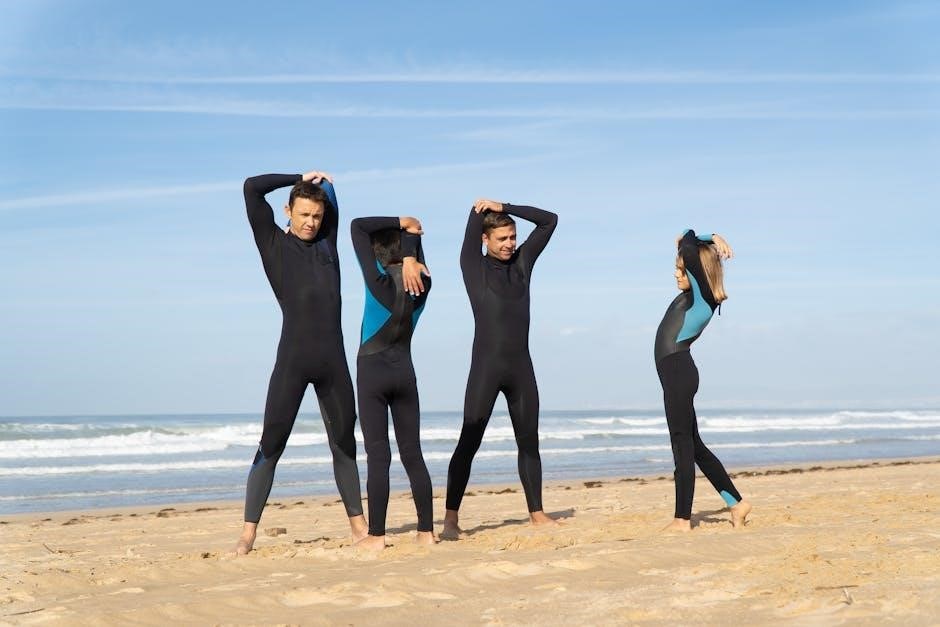
Quiksilver tends to have a more generous cut, meaning a Billabong size might equate to a smaller Quiksilver size․ Xcel wetsuits generally align closer to Billabong’s sizing, but still warrant a careful measurement check․ The key difference lies in body shape accommodation; Billabong suits often cater to leaner, athletic builds․
Always consult individual brand size charts and prioritize chest and shoulder fit, as these areas are critical for comfort and performance․ Considering return policies is vital when ordering online, allowing for size adjustments․
Common Fit Issues and How to Address Them
A frequent issue is tightness in the shoulders and chest, restricting movement and causing discomfort; prioritize these areas during sizing․ Waist fit can lead to flushing if too loose, allowing cold water to circulate, but avoid excessive tightness hindering breathing․ Length problems often result in restricted leg movement or bunching at the ankles․
Shoulder and chest fit are paramount, even if it means a slightly looser waist – a little water intrusion is preferable to limited range of motion or chafing․ If the wetsuit feels too small, consider exchanging it for a larger size, as stretching only goes so far․ Rashes can occur from friction, indicating a poor fit․
Addressing these issues often requires trying multiple sizes and styles to find the optimal fit for your body type․ Remember, a well-fitted wetsuit enhances performance and enjoyment․
Shoulder and Chest Fit: Prioritization
Prioritizing a proper shoulder and chest fit is absolutely crucial when selecting a Billabong wetsuit, even if it necessitates a slightly looser fit elsewhere․ Restricted movement in these areas significantly impacts paddling, surfing, and overall comfort in the water․ A snug, but not constricting, fit allows for a full range of motion without binding or chafing․
Individuals with broader shoulders and narrower waists, a common body type, often find standard sizing challenging; erring on the side of a slightly larger size is generally advisable․ Ensure the wetsuit doesn’t pull or strain across the chest when moving your arms․ A good indicator is being able to comfortably reach overhead without excessive tension․
Compromising on shoulder and chest fit can lead to fatigue and reduced performance, making it the most important aspect of wetsuit selection․
Waist Fit and Potential for Flushing
While a snug waist fit is desirable, excessive tightness can lead to discomfort and, more importantly, increased water flushing․ Flushing occurs when water enters the wetsuit around the waist, compromising its thermal properties and creating a chilling effect․ A small amount of looseness is preferable to restriction, allowing for better water seal without hindering movement․
If the waist is too loose, consider a wetsuit with adjustable features like a drawstring or Velcro closure to tighten the fit and minimize flushing․ However, avoid over-tightening, as this can restrict breathing and circulation․ Focus on a fit that allows for comfortable bending and twisting without significant water entry․
Remember that a little extra water in the midsection is less detrimental than a poorly fitting chest or shoulders, prioritizing core warmth and flexibility․
Length and Restriction of Movement
Proper wetsuit length is critical for unrestricted movement, particularly in the arms and legs․ An overly long suit can constrict joints, limiting range of motion and causing discomfort during activities like paddling or surfing․ Conversely, a suit that’s too short may not provide adequate coverage, leading to chafing and reduced thermal protection․
When assessing length, ensure the suit extends to the wrists and ankles without bunching or binding․ Pay close attention to the arm and leg openings, verifying they allow for a full, natural range of motion․ A good test is to simulate paddling or swimming movements to identify any areas of restriction․
Prioritize mobility; a slightly longer suit can be adjusted, but a severely restrictive one will hinder performance and enjoyment․
Billabong Wetsuit Styles and Their Fit
Billabong offers diverse wetsuit styles, each with a unique fit profile impacting sizing considerations․ Their Furnace Competition suits, designed for performance, generally have a more athletic, snug fit to minimize water flushing and maximize flexibility․ Absolute suits prioritize warmth and comfort, often featuring a slightly more relaxed cut․
The Impact series balances performance and affordability, typically offering a standard fit suitable for a wide range of body types․ Consider the intended use; performance-oriented suits may require a closer fit, while recreational suits allow for more leeway․ Always consult the specific size chart for the chosen style, as variations exist․
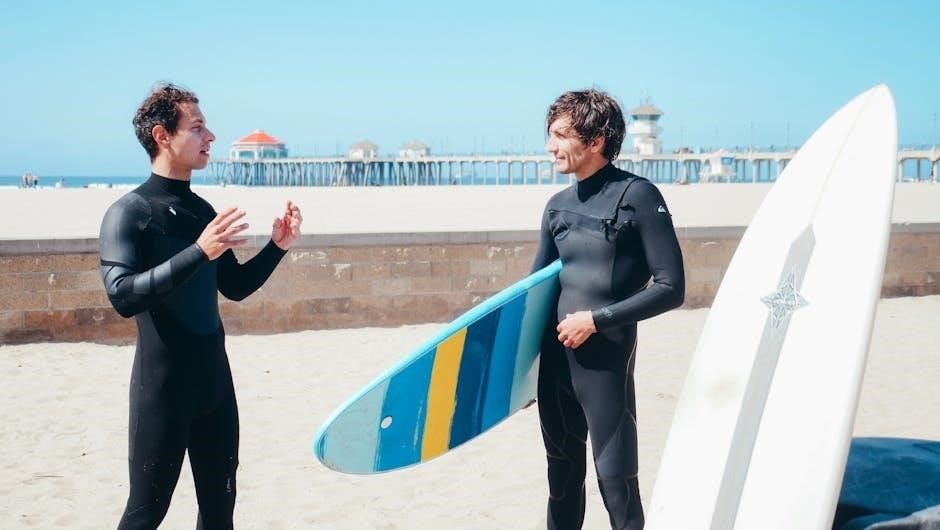
Different cuts cater to varying body shapes; understanding these nuances ensures optimal comfort and performance․
Return Policies and Exchanges for Billabong Wetsuits
Billabong’s return and exchange policies vary depending on the retailer and your location, so careful review is essential before purchasing․ Generally, unworn and unwashed wetsuits with original tags attached are eligible for return within a specified timeframe – often 30 to 60 days․ However, final sale items or those with hygiene stickers removed are typically non-returnable․
Exchanges are usually permitted for different sizes or styles, subject to availability․ Keep your proof of purchase, as it’s required for all returns and exchanges․ Shipping costs for returns may be the responsibility of the customer, unless the return is due to a defect or error on Billabong’s part․ Always check the retailer’s specific policy for details․
Due to the nature of wetsuits, a snug fit is crucial, making returns common; understanding the policy beforehand is vital․
Tips for Ordering Billabong Wetsuits Online
Ordering a Billabong wetsuit online demands extra diligence due to the importance of a precise fit․ Prioritize measuring yourself accurately – height, chest, and waist – and meticulously compare these measurements to Billabong’s official size chart․ Remember wetsuit sizing often differs from standard clothing sizes, frequently running smaller․
If you’re between sizes, it’s generally advisable to err on the side of slightly smaller, as neoprene stretches with use․ However, avoid ordering excessively tight suits, as this can restrict movement and cause discomfort․ Crucially, choose retailers with generous return policies, allowing for exchanges if the initial fit isn’t perfect․
Read customer reviews for insights into sizing accuracy and fit preferences․ Consider your body shape; broad shoulders or a narrow waist may necessitate adjustments․
Considering Body Shape and Wetsuit Cut
Wetsuit cuts aren’t one-size-fits-all; body shape significantly impacts the ideal fit․ Individuals with broader shoulders and narrower waists, a common build, often find standard cuts constricting in the chest while being loose at the waist․ Prioritizing chest and shoulder fit is crucial for range of motion and preventing chafing, even if it means a slight looseness in the midsection․
Conversely, those with more uniform builds may find standard cuts perfectly adequate․ Billabong, like other brands, offers various cuts; understanding these is key․ Look for suits designed for specific body types, if available․ Remember a little extra space around the waist is preferable to restricted movement in the shoulders․
Ultimately, a wetsuit should feel snug but not constricting, allowing for comfortable paddling and movement․